 beachrealtors.com
Outer Banks, NC
This fragile, narrow barrier island chain offers oceanfront living shaped by storms, tradition, and restricted access.
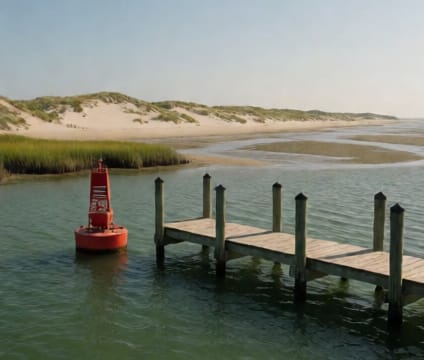
The Outer Banks is a thin strip of sandy islands separated from mainland North Carolina by the sound. Homes here often sit on elevated foundations to mitigate flood risk and wind exposure. Many are built with traditional plank or board-and-batten siding to withstand salt spray and humidity, with minimal ground contact to allow tidal flow. The closest communities to the ocean—like Corolla and Duck—offer the most direct dune access but require careful maintenance due to erosion and storm surge exposure.
Properties farther west near marsh edges or soundside areas often feature elevated pools, outdoor showers, and broader setbacks from the water. These locations reduce direct wind stress but still comply with strict building codes. Roof shapes commonly slope inward to limit uplift, and windows may be impact-rated. Infrastructure like roads and bridges is vulnerable to overwash during northeasters, so utility reliability can vary seasonally.
Neighborhoods vary significantly in accessibility and build history. Hatteras Island communities are more remote, relying on ferries for heavy transport and limiting large-scale development. Newer construction tends toward reinforced concrete piers and elevated living spaces, while older homes may retain historic timber frames. Permits and inspections are handled locally with awareness of both preservation and resilience needs.