 beachrealtors.com
Neighborhood cores
Walkable to town centers, marinas, and public beaches—authentic proximity, not proximity by chance.
These properties live within the historic footprint of coastal communities, where streets were laid before the age of automobiles and shaped by foot traffic, coastal wind, and shared water access. Small lots, tree-lined alleys, and setbacks that align with neighboring buildings create continuity in streetscape and rhythm of daily life. Convenience here is embedded in place, not added later.
Proximity in these zones means genuine daily use—not just proximity to a landmark but proximity to routines: a morning coffee run, afternoon walk to the pier, shopping along the same block as locals. Many clusters include historic light stations, public beaches, or marinas that anchor community activity across seasons. Streets often narrow, slow traffic, and prioritize pedestrian safety organically.
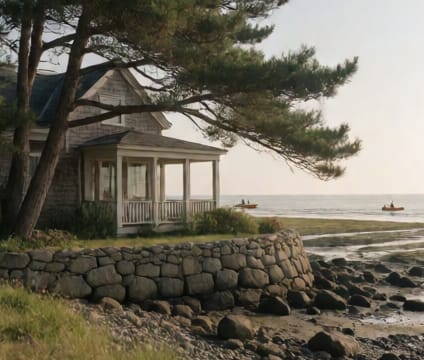
Architecture varies by era but commonly reflects regional responsiveness—raised foundations, wide eaves, louvered shutters—adapted to coastal weather and lifestyle. The walkability of these neighborhoods supports year-round utility, not just summer use. Long-term value often stems from consistent neighborhood identity rather than speculative development patterns.