 beachrealtors.com
Price Trajectories
How sun orientation, wind exposure, and flood zone proximity shape how long homes sit before selling in each quarter.
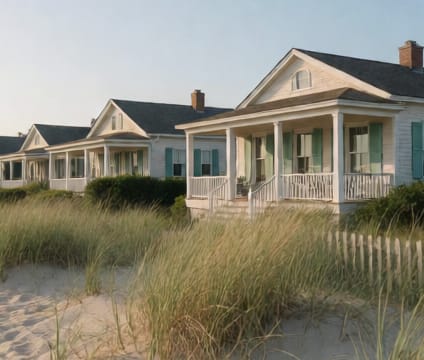
Properties facing the ocean typically sell faster than those in protected bays or back-island areas—especially during high-demand months. In spring, buyers prioritize water views and light, driving urgency for east- and south-facing homes even before peak season. This is consistent across regions where coastal building codes limit density and views command premium attention.
North-facing or inland-facing homes often linger longer until late summer or early fall, when value-sensitive buyers enter the market. Their appeal shifts from lifestyle to livability: less sun but better cooling, lower insurance perception, or proximity to town. Seasonal weather patterns like humidity or storm risk heavily influence how long these homes remain on market, even with price adjustments.
Flood zone designation interacts with seasonal demand curves: during low-activity months, buyers may accept higher risk if pricing compensates, but in peak seasons, even minor zone reclassifications can extend days on market significantly. The data shows exposure alone accounts for a measurable fraction of timing variance—sometimes more than price alone—particularly where storm exposure is a known factor.