 beachrealtors.com
Cliffside Condos
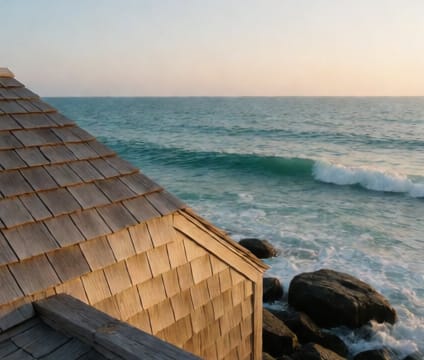
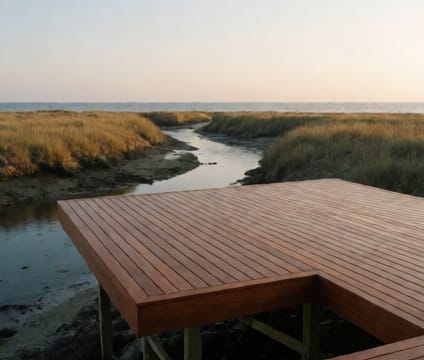
Modern coastal condos perched along bluffs with private decks offering direct waterline visibility and minimal street frontage.
These units prioritize architectural integration with steep topography—often built into the hillside or cantilevered over erosion-prone zones. Structural design accounts for lateral soil pressure, groundwater movement, and wind loads unique to exposed blufffront locations. Condo associations typically manage erosion mitigation, protective vegetation, and shared cliff-side access points. Prospective buyers should review the association’s long-term land stabilization plans and reserve funding for ongoing structural maintenance.
Views are intentionally framed through strategic glazing and balcony placement, but exposure levels vary significantly—even within the same building. Unit orientation relative to prevailing weather patterns affects sun exposure, wind buffering, and coastal fog patterns. Sound transmission from wind and surf can be pronounced, so noise attenuation features like triple-glazed windows or insulated walls are worth verifying in the building specs.
Limited ground-level access often means elevators or shared stairs serve upper floors. Parking is typically below-grade or at street level, requiring walkways or shuttles. HOA rules may restrict exterior modifications, including balcony enclosures or landscaping, to protect bluff integrity. Understanding utility routing—especially storm drainage and structural support systems—is key to anticipating future responsibilities as an owner.