Boston Plumbers
Brass Preservation
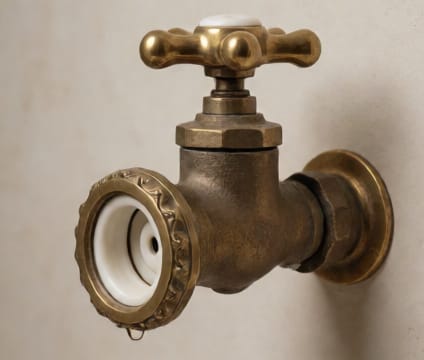
Gentle, repeated polishing maintains unlacquered brass’s natural patina without stripping its metallic integrity over time.
Begin by cleaning with a soft microfiber cloth and warm water only—no detergents—to remove surface dust and light fingerprints. For moderate oxidation, apply a thin layer of a pH-neutral brass conditioner using a lint-free cloth, letting it dwell for no more than three minutes before buffing with dry sections of the cloth. Avoid cloths previously used with other cleaners to prevent cross-contamination of residues. This cycle should be repeated only when water spots persist or the surface feels dull to the touch, not on a fixed schedule.
For heavier tarnish, use a diluted citric acid solution—two teaspoons per quart of distilled water—dabbed on with a cotton swab, followed immediately by thorough rinsing with distilled water and air drying. Never immerse fixtures or apply acid-based cleaners uniformly, as uneven exposure accelerates localized corrosion. After acid treatment, follow with one full non-abrasive polish cycle using a beeswax-based brass to re-establish a protective barrier. This approach minimizes metal loss and preserves original tool marks and hammering details.
Long-term maintenance relies on frequency control: polish no more than twice annually on high-touch surfaces and once per year on lower-contact areas. Over-polishing removes microscopic metal layers, thinning spouts and levers until structural soundness is compromised. In Boston’s humid coastal climate, oxidation cycles may quicken near salt-laden air, so inspect quarterly for early cloudiness rather than waiting for full discoloration. The goal is continuity—not restoration—to honor the brass’s lived-in elegance.