 Boston Plumbers
Back Bay Pipe Whisperers
Built for Boston’s architectural extremes—from rowhouse basements to luxury high-rise mechanical floors—these plumbers move fast without cutting corners.
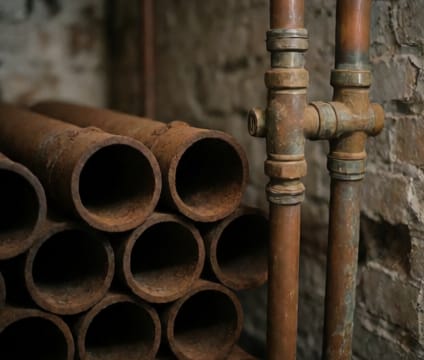
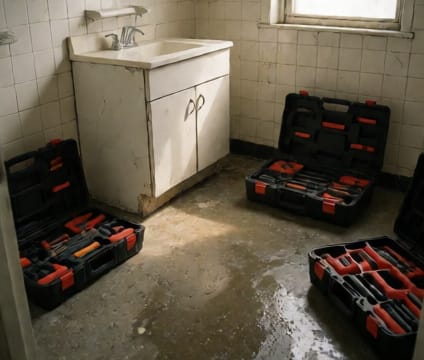
Back Bay’s mix of narrow-row construction and dense high-rises creates very different plumbing pressures. Brownstones often suffer from shared lateral lines clogged by decades of root intrusion, while high-rises deal with complex condensate drain backups and pressurized main stacks. Pros here know which high-rise service elevators allow plumbing carts and how to navigate service door access on narrow streets. They arrive with modular tool kits designed for both vertical and horizontal access points.
Speed in this area often means knowing how to isolate a building’s zone without disrupting entire floors. For high-rises, that means pressure-balancing before disassembly and isolating stack sections using ball valves to minimize water loss. For brownstones, they look first at shared lateral issues—like tree roots near common property lines—before assuming an internal blockage. This prevents misdiagnosis and repeated visits that annoy neighbors.
Their post-job reporting is strict about documenting what entered the municipal system and what was cleaned internally. Because Back Bay neighborhoods sometimes share sewer laterals, they flag cross-contamination risks and suggest preventive maintenance intervals based on line age and usage density. Transparency extends to tenants, landlords, and co-ops—ensuring everyone gets the same clear, non-technical summary.