 continuingcare.com
In-Home Care Types Comparison
In-home care ranges from companionship and daily living support to skilled medical services, varying by licensing, training, and purpose.
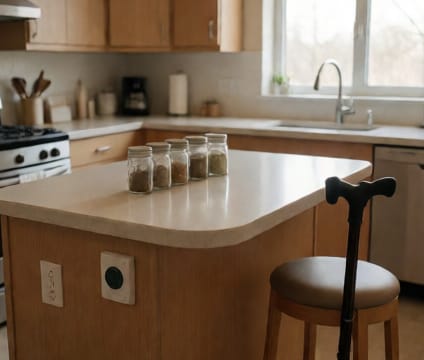
Companion care involves non-medical support such as conversation, light housekeeping, meal preparation, and companionship to reduce isolation. This type of care is typically provided by aides without formal medical training and focuses on emotional well-being and safety. It is ideal for adults who are physically stable but benefit from social interaction and help maintaining daily routines.
Personal care includes assistance with activities of daily living—like bathing, dressing, grooming, and using the bathroom—alongside light health monitoring. Providers may be trained in basic safety techniques and mobility support but are not licensed to administer medications or perform clinical tasks. This level of care allows individuals to remain in familiar surroundings while gaining greater independence and dignity.
Skilled home health care involves medical services delivered by licensed professionals such as nurses, therapists, or social workers. It includes wound care, injection administration, physical therapy, and disease management—often ordered by a physician after a hospital stay or diagnosis. Skilled care is usually temporary and may be covered by Medicare or insurance when specific criteria are met, unlike non-medical in-home care which is typically private-pay.
Practical tips
- Companion care focuses on social and light assistance.
- Personal care supports daily living tasks without medical services.
- Skilled care requires a doctor’s order and licensed providers.
General information, not medical advice. More on this from MedlinePlus (US National Library of Medicine).
More in Care Option Clarity

Assisted Living vs Nursing Home
Assisted living emphasizes independence with support, while nursing homes provide skilled medical care for more intensive needs.
Read more →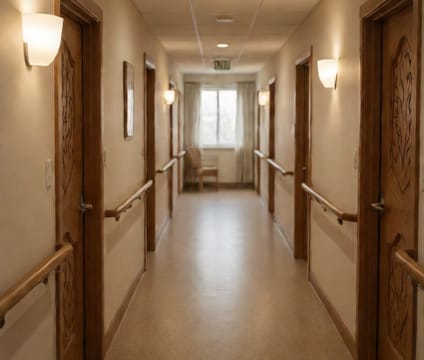
Memory Care Housing Options
Memory care offers specialized support for dementia and Alzheimer’s, with secure environments and tailored activities designed
Read more →