 dailybriefing.com
Hybrid Work Models Reshape Office Real Estate Plans
Companies are redesigning office spaces to support flexible collaboration rather than fixed desks, rethinking density and function.
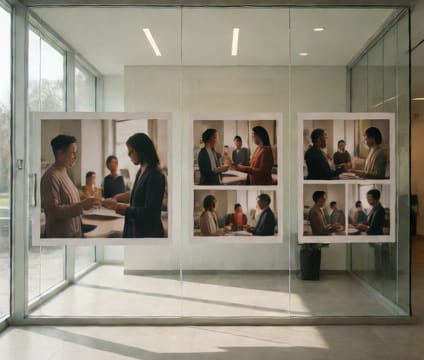
The shift to hybrid work has moved priorities from occupancy to experience. Offices now emphasize meeting rooms, quiet zones, and team hubs over individual workstations. This change reflects a recognition that physical presence should enable connection and creativity—not just fulfill a quota.
Leasing strategies have evolved to accommodate fluctuating demand. Shorter-term leases, modular layouts, and shared spaces between departments allow organizations to adapt quickly. Real estate portfolios are shrinking overall but becoming more intentional about location and design.
Key takeaways
- Spaces prioritize collaboration over individual desks
- Flexibility drives shorter leases and modular layouts
- Office function centers on connection, not attendance
More in Culture & Strategy
Diversity Initiatives Shift Toward Outcomes Over Metrics
Organizations are redefining inclusion success by focusing on tangible impact rather than headcount targets alone.
Read more →
Leadership Development Programs Prioritize Resilience
Modern leadership training emphasizes adaptability and emotional stamina over traditional command-and-control traits.
Read more →