 dailybriefing.com
Edge Computing Gains Traction
Edge computing expands beyond niche use cases as organizations prioritize latency reduction and data sovereignty in distributed architectures.
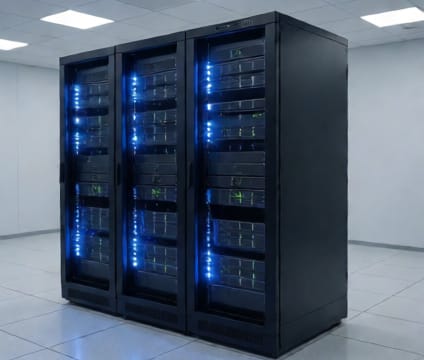
Organizations increasingly deploy processing closer to data sources—factories, stores, vehicles—to cut delays and improve responsiveness. This shift helps time-sensitive operations like autonomous systems or real-time monitoring function more reliably. It also supports compliance by keeping sensitive data within required jurisdictions.
Infrastructure challenges remain, including managing hardware diversity, ensuring consistent updates, and securing distributed nodes. Many companies adopt hybrid models, balancing edge workloads with central data centers. This allows critical functions to operate independently during network outages while still syncing when connectivity is restored.
Network integration is vital: reliable, low-latency connections back to core systems ensure data flows smoothly. Bandwidth constraints at the edge often mean filtering or preprocessing data before transmission. This reduces cloud costs and improves overall system efficiency.
Strategic adoption now focuses on high-impact use cases: predictive maintenance in manufacturing, in-vehicle diagnostics, and real-time retail analytics. Early movers report faster response times and better resilience. Long-term planning now includes edge readiness in enterprise architecture roadmaps.
Key takeaways
- Reduces latency for time-sensitive operations
- Improves data governance and compliance
- Enhances operational resilience during outages
More in Tech Tracker

API Security Standards Tighten
Stricter API security requirements reflect growing reliance on integrations and rising threats from poorly secured interfaces.
Read more →
Low-Code Platforms Scale Up
Low-code platforms evolve from quick prototypes to production-grade tools as enterprises seek faster delivery without sacrificing
Read more →