 dailybriefing.com
Eurozone Inflation Eases Slightly
Annual inflation in the eurozone dipped to the lowest level in over three years, driven by falling energy prices and stable core goods costs.
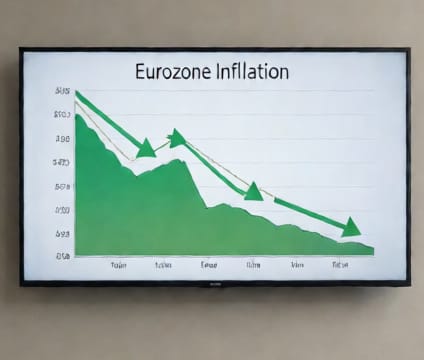
Inflation across the 20-nation bloc slowed to 2.6% year-over-year, marking the lowest reading since early 2021. The decline followed a sharper fall in energy prices, which turned negative for the first time in over two years, easing cost pressures on households and businesses.
Core inflation, which excludes volatile food and energy items, held steady at 5.3%—a sign that underlying price pressures remain elevated despite easing headline figures. Services inflation also remained above 4%, reflecting continued wage-driven momentum.
The European Central Bank has signaled it may hold rates at current levels while awaiting clearer evidence of disinflation. Officials noted that progress on inflation remains fragile and could be disrupted by geopolitical or fiscal developments.
Analysts pointed to softer demand, improved supply chains, and lower commodity prices as key contributors to the recent easing. Still, wage settlements in major economies suggest core inflation could remain stubborn in coming months.
Key takeaways
- Eurozone inflation falls to 2.6%, lowest since 2021
- Energy prices drive headline decline; core remains sticky
- ECB holds course while awaiting more disinflation
- Wage growth keeps services inflation elevated
More in Global Markets
Fed Rate Decision Holds Steady
The Federal Reserve kept its key interest rate unchanged, signaling patience as inflation shows modest signs of easing while labor
Read more →
Japan Yen Weakens Against Dollar
The yen dropped to a new multi-decade low versus the U.S. dollar as divergent monetary policies and global risk sentiment weigh
Read more →