 interflorida.com
Tampa’s Ybor City
Ybor City balances its vibrant legacy with layered quiet zones—where cobblestone alleys hide courtyards, and generations keep panadería traditions alive.
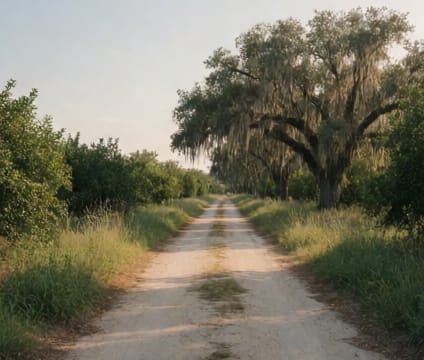
While the main corridor buzzes with weekend energy, the deeper streets reveal quieter corners: intimate courtyards tucked behind iron gates, often planted with citrus trees and shaded by live oaks draped in moss. These oases belong to private clubs, longstanding mutual aid societies, or residents who maintain them as communal sanctuaries. Access is often via invitation or open house events, making discovery a matter of timing and local intuition.
Panaderías here operate with a quiet continuity—offering traditional breads, pastries, and café con leche not as curated experiences but as daily rituals. These spots often serve as informal neighborhood hubs, with regulars exchanging greetings over morning items. The interior layout remains modest, with counter service and limited signage; the appeal lies in consistency and trust built over decades, not reimagined aesthetics.
Murals and street art in Ybor emerge organically, rarely part of official festivals but instead responding to community changes or honoring local figures. Look for works along main avenues’ side alleys, near palm-lined corners, or on walls facing less trafficked streets. Many are collaborative efforts, painted over years by neighbors and regional artists with deep ties—some faded, some renewed, all quietly layered into the neighborhood’s rhythm.