Enable ambience
Room tone, fluorescent hum, distant HVAC — recorded at scale, mixed for headphones.
liminalspace.click — recovered archive, entrance still open
An endlessly explorable archive-museum of liminal spaces — corridors, drained pools, waiting halls — where no two visits take the same route.
Click to enterNobody has produced a complete list of who assembled these rooms. What survives is an index, a set of graded stills, four hours of room tone, and a route that refuses to stay the same. Everything below was recovered in this order, or close to it.
LIMINAL SPACE is an endlessly explorable atlas of in-between places: a scroll-driven, room-to-room descent through corridors, drained pools, waiting rooms and stairwells, each rendered as a photoreal dream still with ambient audio, a time-stamp, and a short unsettling caption.
The .click TLD is taken literally — every click transports you to another threshold, and no two visits surface the same route, so the site behaves like a place rather than a page. A “Field Guide” layer adds taxonomy, submitted spaces, and downloadable ambience, turning atmosphere into a returnable, shareable ritual.
Consulted by: design-award juries, creative directors, motion and web designers hunting inspiration, liminal-space and dreamcore subculture readers on TikTok and Reddit, students of atmosphere and photographers — they come for the feeling, stay to wander, and return because the site changes.
Record cardIncomplete
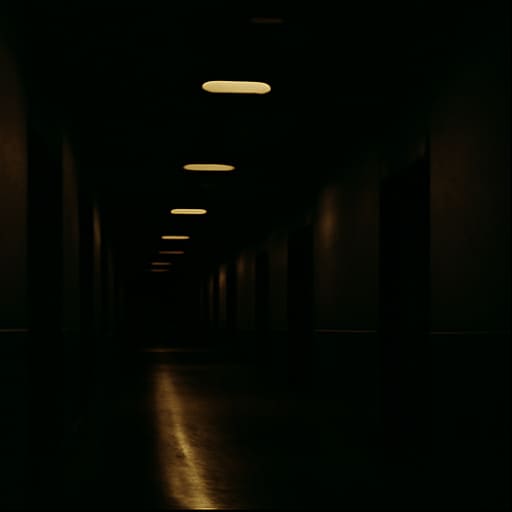
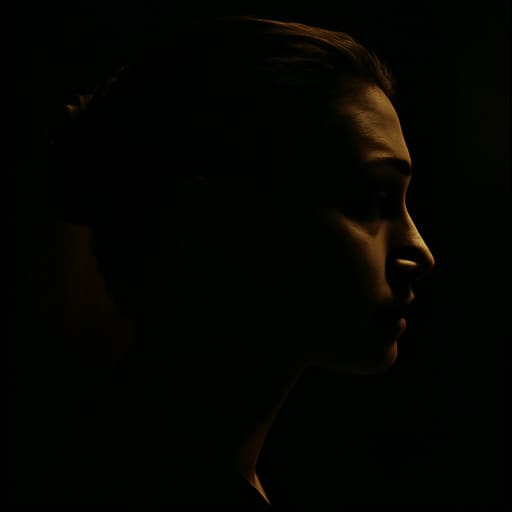
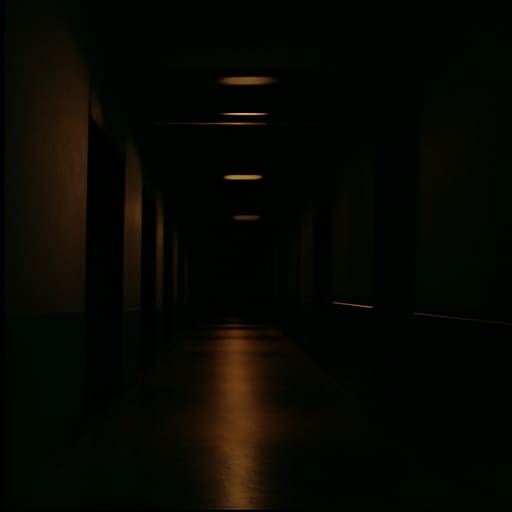
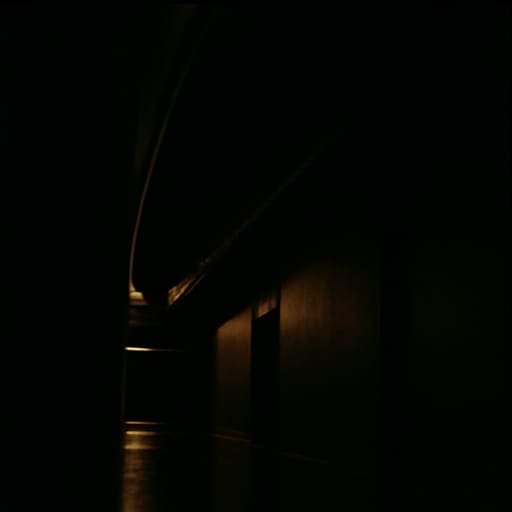
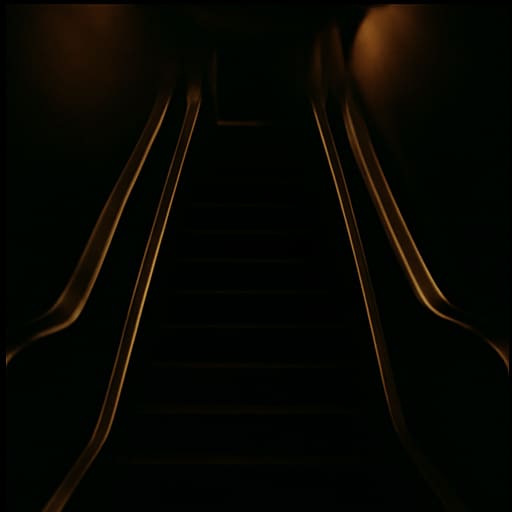
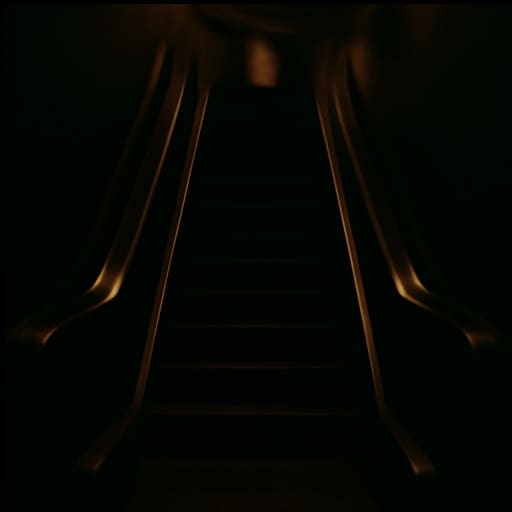
The corridor is empty and the lights are already on. Sound is optional but the room is quieter without it. There is one way forward and it is a click.
Room tone, fluorescent hum, distant HVAC — recorded at scale, mixed for headphones.
The archive works without sound. It simply feels further away.
Scroll and the building goes down. Each room arrives as a photoreal still with parallax depth, a time-stamp that shouldn't exist, an ambient loop, and one line of caption you'll think about later. You don't navigate the descent — you fall through it at reading speed.
Sheet 77-A · spatial relationships unverified
Every threshold in the archive, mapped as nodes by type — transit, aquatic, retail, domestic, institutional, interstitial. Click any node to teleport there instantly. Routes reshuffle on every visit, so the Atlas you leave is not the Atlas you return to.
The Atlas sorts every room in the archive into one of six classes. Pick a class, take a route, and the descent rebuilds itself around it. Classification was assigned by whoever held the material before us; we have not corrected it.
Terminals, underpasses, platforms at hours with no timetable.
Indoor pools, tiled changing rooms, water lit from below.
Dead malls, fitting rooms, food courts with all the chairs squared up.
Carpeted hallways, wood-panel basements, rooms staged for nobody.
Waiting rooms, school corridors, offices after the cleaners.
Spaces with no name and no function — the archive's rarest class.
The taxonomy layer for people who want to understand why an empty hallway lands in the body before the brain. Short essays on liminality, threshold classification, lighting and lens notes, and the Rooms Log — a running record of every space added, dated and credited. Built for designers dissecting atmosphere, photographers chasing it, and students writing about it.
1,200 words at a time on nostalgia without memory, and light that means waiting.
Six classes, twenty-three subtypes, and how to tell a corridor from a passage.
New spaces published monthly, with capture notes, timestamps and contributor credit.
How each still is built: plate, depth pass, grade, room tone.
Field note, loose page, filed with plate 12
“Measured the corridor twice on the same afternoon. Second measurement longer by four metres. Photographed both. The photographs agree with each other and not with me.”
You already have the photo. The stairwell at your old job, the pool at the hotel your parents chose, the corridor you walked once and remembered wrong. Upload it, tell us where and when, and our curators will consider it for the next descent.
Stills or short clips, any camera, phone footage welcome — atmosphere over resolution.
Reviewed weekly; accepted rooms are rebuilt as archive stills with depth and audio.
Every contributor named beside their room, permanently.
The most-revisited submitted rooms are promoted into the main descent.
Take the atmosphere out of the browser. Limited print drops, working ambience and LUT packs for your own projects, and the Deep Archive for anyone who wants the doors we keep locked. Studios can license the engine that makes the whole thing move.
Numbered archival prints of single rooms, released in editions of 50, then retired.
Loopable room tone recorded on location — malls, pools, terminals — cleared for commercial use.
The exact grades, depth passes and fog rigs behind the archive's look.
Hidden rooms, unreleased corridors, early prints and a new space every month.
Sponsored thresholds built to your world — atmosphere as media placement, not a banner.
License the scroll-and-teleport engine for your own campaign or exhibition. Talk to the studio.
The door closes behind you with the sound it always makes. Nothing you saw will be in the same order next time — that's the point, and it's the reason people come back. Leave an address and we'll tell you when the next room opens.
Built, shot, graded and scored by the studio, with 400+ contributors named in the Field Guide.
Recognised for interactive craft and covered by design, photography and internet-culture press.
One email a month: the new space, the timestamp, the caption. Nothing else.
Click again and the building rearranges itself for you.