 mumbaimart.com
Dharavi
Dharavi pulses with artisanal resilience, where generations of recycled metal, textiles, and clay find new life in tiny home-based workshops tucked between narrow lanes.
Begin at dawn when the scent of wet earth rises from clay pits and the clatter of spinning wheels fills narrow footpaths. Artisans from traditionally marginalized communities continue centuries-old techniques, hand-rolling pots and plates using simple wooden wheels, often positioned directly on the street. The rhythm of their work is dictated by seasonal humidity, clay availability, and the quiet demand from local grocers, temples, and households. This is craft as survival—low-tech, deeply skilled, and sustained by close-knit networks passed down over decades.
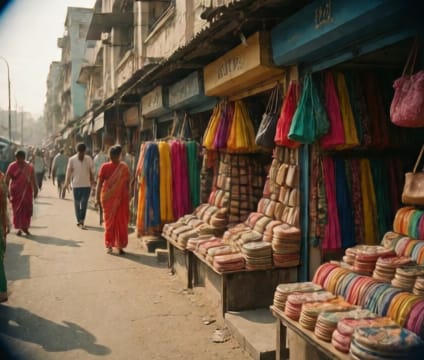
As the day warms, recycled material transforms into vibrant new forms: plastic discarded elsewhere becomes brightly colored bags, discarded textiles find new lives as rags or quilted padding, and scrap metal is sorted, melted, and reshaped. Observing these processes reveals a self-contained circular economy—no supply chains, no corporate oversight—just human ingenuity meeting immediate need. Visitors learn to distinguish the scent of melting plastic from sun-baked clay and recognize the pride in each meticulously formed item.
Evenings bring a shift in energy as children return from school and families gather under string lights strung above doorways. The air carries the murmur of multiple languages, the clink of metal being forged, and the faint hum of a generator. This neighborhood defies simplification—it is neither slum nor heritage site, but a living ecosystem of craft and adaptation, where dignity resides in the daily act of making something from nothing. Respect and curiosity are the only requirements for an authentic encounter.