Heritage walks
Read Mumbai through architecture, public spaces, and neighbourhood stories that connect the city’s island past with its changing present.
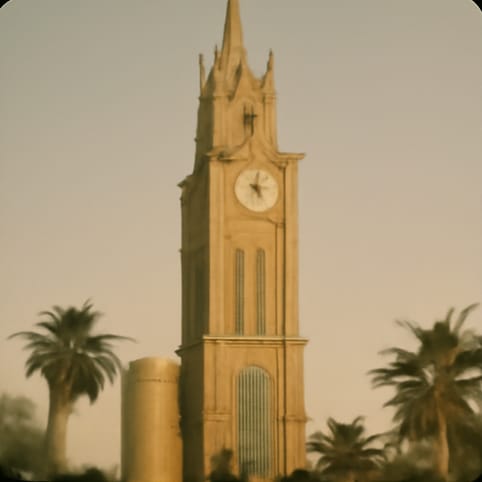
A heritage walk can make familiar streets newly legible. Instead of looking only for famous buildings, pay attention to building fronts, shaded arcades, religious spaces, markets, public institutions, and traces of older shorelines. Mumbai began as an archipelago of seven islands, and later reclamation helped join them into a major urban centre. A thoughtful walk connects these physical changes with work, migration, trade, and the communities that shaped everyday neighbourhood life.
Choose a walk according to your interest and walking ability. Some routes may emphasise architecture, while others focus on public memory, neighbourhood change, or social history. Check the meeting point, route length, terrain, language, and accessibility through the listing or inquiry contact. Wear supportive shoes, carry water, and allow time for traffic, crowds, and pauses. Respect homes, places of worship, working businesses, and residents while taking photographs.
Mumbai’s history includes Koli communities, Portuguese control, British rule, the growth of the port, and the city’s role in India’s independence movement. These layers are not always visible in one monument, so listen for connections between ordinary spaces and larger events. If you walk independently, research the sites beforehand and avoid blocking entrances. If you join a guide, ask how sources are used and leave room for local perspectives rather than treating history as a single story.