 systemdesign.com
Post-Incident Learning Cycles
Transform each incident into systemic improvements through blameless analysis and follow-up actions.
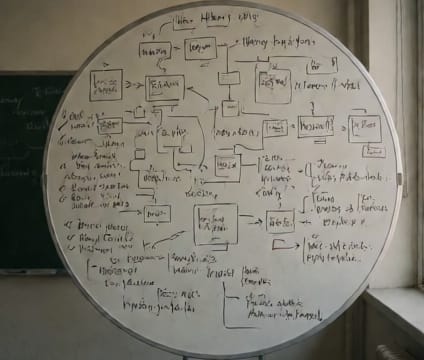
Begin by gathering facts: collect all relevant logs, metrics, and timeline data while memory of the event is still fresh. Interview involved engineers separately, focusing on decisions made in context—not outcomes. A useful starting point is the five whys, which guides the team to uncover root causes beyond surface symptoms, such as a missed test or an unclear interface contract.
Next, host a blameless retrospective where participants describe their actions without fear of reprimand.frame discussion around system behavior, not individual choices. Identify gaps in detection, response, or design—e.g., missing alerts, ambiguous runbooks, or untested failover procedures. Document findings in a shared report that includes a clear problem statement, timeline, root causes, and impact scope.
Finally, close the loop by assigning concrete action items: update monitoring, revise runbooks, add integration tests, or redesign interfaces. Track these actions in a public queue with owners and due dates. Revisit the incident six months later to confirm that proposed fixes were implemented and effective—this prevents decay of lessons learned and builds accountability across teams.
Key points
- Gather facts and use five whys to trace root causes systematically.
- Run blameless retrospectives focused on system behavior, not people.
- Track and verify follow-up actions to ensure systemic improvements.