 advancedweighttraining.com
Sleep Timing and Quality Marks
Consistent sleep timing aligned with natural circadian rhythms supports hormonal balance, cognitive restoration, and optimal recovery physiology.
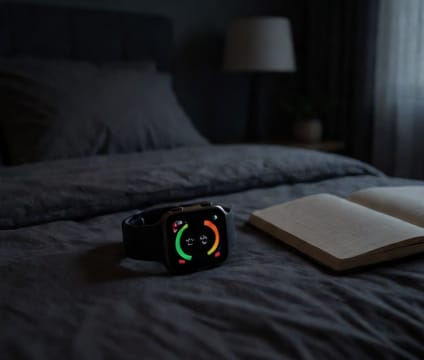
The body’s internal clock regulates key recovery hormones like melatonin and cortisol, making consistent sleep-wake schedules more effective than total hours alone. Falling asleep and waking at roughly the same time—even on weekends—helps stabilize these rhythms and improves the depth and restorative value of slow-wave and REM sleep. Disruption, such as variable bedtimes, blunts growth hormone release and elevates inflammatory markers.
Sleep quality is marked by uninterrupted cycles, minimal nighttime awakenings, and adequate time in deeper stages. Factors like room temperature, light exposure, and pre-sleep stress influence this. Even with sufficient duration, fragmented sleep impairs neural recalibration and leaves athletes feeling unrefreshed despite hours in bed, reducing next-day readiness for high-load work.
Light exposure upon waking helps entrain circadian rhythms, reinforcing alertness during the day and facilitating earlier melatonin onset at night. Avoiding blue light from screens and bright indoor lighting two hours before bed supports this natural transition. Warm, relaxing routines signal the nervous system to shift toward rest and repair, optimizing the window for tissue recovery between sessions.
Practical tips
- Aim for consistent bedtime within a one-hour window nightly.
- Keep bedroom cool and completely dark for best quality.
- Limit caffeine after noon and heavy meals three hours before bed.
General information, not medical advice. More on this from MedlinePlus (US National Library of Medicine).
More in Recovery Integration

Neuromuscular Recovery Windows
Optimizing rest periods between high-intensity neuromuscular sessions ensures central nervous system resilience and maximal
Read more →
Dynamic Flexibility Progressions
Progressive dynamic stretching enhances tissue tolerance and joint range without compromising strength or power output before
Read more →