 advancedweighttraining.com
Volume and Intensity Flow Control
Balance training load across sessions to stimulate adaptation while preserving recovery capacity and performance output.
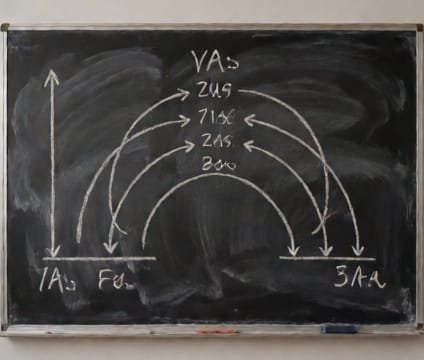
Volume refers to total work done—reps, sets, distance, or time—while intensity relates to the relative stress placed on the body, often measured as a percentage of one-rep max or perceived exertion. Manipulating these variables in tandem governs training stimulus; too much volume without adequate intensity reduces strength potential, and vice versa.
Progressive overload requires gradual increases in either volume or intensity over time, not both simultaneously. Classic models alternate high-intensity, low-volume days with lower-intensity, higher-volume sessions to allow recovery while maintaining momentum. This rhythm supports cumulative fatigue management and performance continuity.
Monitoring tools like session RPE (Rate of Perceived Exertion) or session duration help track internal load. Sudden spikes in volume or intensity without adaptation time increase injury risk and diminish returns. Consistency over weeks and months matters more than isolated high-load efforts.
Practical tips
- Limit weekly volume increases to under 10%.
- Pair high-intensity sessions with active recovery.
- Reduce intensity before deload weeks.
General information, not medical advice. More on this from MedlinePlus (US National Library of Medicine).
More in Program Architecture

Macrocycle Phasing Strategies
Organize long-term training into distinct phases that build systematically toward peak performance while minimizing burnout risk.
Read more →
Exercise Selection Logic
Match exercises to training goals, individual biomechanics, and sport demands to ensure safety, specificity, and long-term
Read more →