 beachrealtors.com
Near-Pier vs. Near inlet
Near-pier locations face steady offshore winds and heavy foot traffic; near-inlet sites deal with stronger currents, shifting sand, and frequent tidal changes.
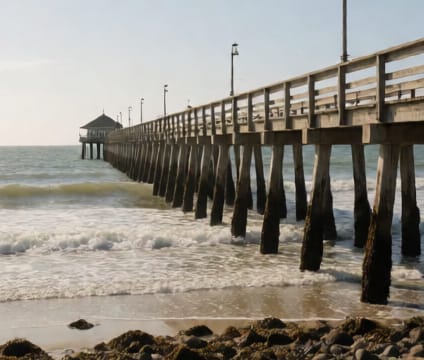
Properties near piers benefit from long view corridors and pedestrian foot traffic but endure constant sea breezes funneled off the water. These homes often experience higher humidity and salt deposition, leading to faster deterioration of siding, windows, and metal fixtures. Tidal influence is minimal; flooding risk is low unless at very low elevation, but storm surge can travel farther inland via pier orientation. Driveways and foundations near shorelines still require erosion buffers.
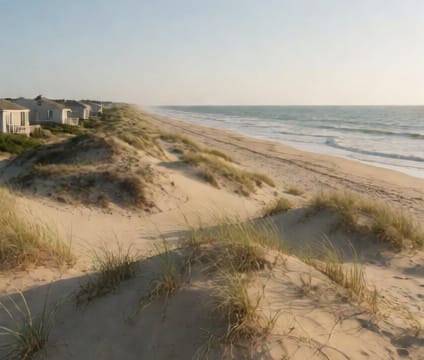
Inlet-adjacent homes sit where tidal currents exchange rapidly between ocean and bay, creating strong, unpredictable flows and frequent sand movement. These areas see rapid shoreline change—sometimes several feet per season—and may require armored shorelines or periodic beach renourishment. Erosion risk is among the highest in the coastal zone, and maintenance cycles are shorter. Flood insurance is mandatory and premiums reflect heightened surge risk.
Traffic near piers peaks in summer afternoons and weekends with mixed vehicular and foot flow; near inlets, boating activity creates early morning and evening congestion along access roads. Both locations require permitting for any structure near waterways, but inlet zones often demand additional environmental reviews. Natural dunes remain critical buffers—removal or compromise can increase flooding likelihood significantly.