 beachrealtors.com
Intracoastal Waterfront
Deep-water canals, boatlifts, and restricted development corridors define this unique subtype of protected waterway living.
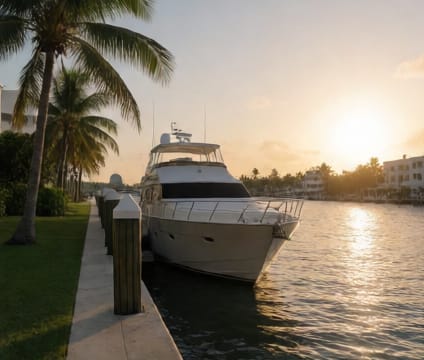
Intracoastal Waterfront properties line protected channels connected to the ocean, offering calmer boating conditions and sheltered anchorage compared to direct ocean exposure. These waterways often follow older riverbeds or natural inlets and are frequently part of the Atlantic Intracoastal Waterway. Deep-water ties allow for larger vessels, and many lots include private docks or share community boatlifts and marina facilities. Zoning in these areas often limits future development to preserve sightlines and water flow, especially in tidal marsh-front neighborhoods.
Design and construction here must address both tidal fluctuation and potential for backdoor flooding during storm events when inlets are overtopped. Structures frequently require bulkheads, pilings, and elevated ground floors, while drainage must channel stormwater away without impeding tidal exchange. Maintenance includes monitoring for creosote leaching in older pilings, corrosion at the waterline, and occasional sediment buildup in private docks that may require permits to remediate.
Neighborhoods with Intracoastal access often share governance under a homeowner association with specific covenants about dock size, septic placement, and vegetation buffers to protect water quality. Some enclaves restrict new construction to maintain historic water views or manage density—especially in areas like Indian River Lagoon tributaries where sensitive seagrass beds lie below. Buyers should confirm whether the property is subject to tidal flow easements or conservation restrictions that affect future modifications.