 beachrealtors.com
Oceanfront Residences
Direct beach access, hurricane-rated windows, and dune compliance define properties where geography isn't just scenery—it's the governing factor.
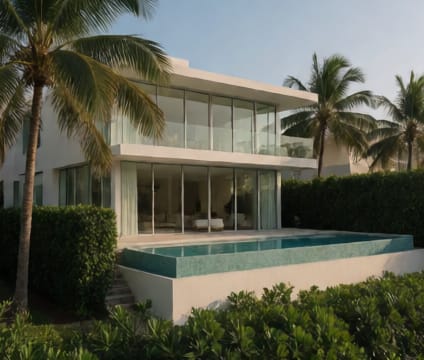
Oceanfront homes are defined by their immediate proximity to the shoreline, which brings unparalleled views and access—but also heightened exposure to wind, salt spray, and storm surge. Construction here typically requires elevated foundations, impact-resistant glass rated for high winds, and adherence to strict building codes meant to reduce uplift and flooding risk. Dune restoration and vegetation planting are often mandated to preserve natural buffers, and owners frequently participate in community efforts like sandbagging or dune cabling ahead of hurricane season.
Insurance and maintenance considerations differ significantly from inland properties. Windstorm premiums and flood zone designation (often VE or AE zones) directly affect affordability and insurability. Regular inspections for corrosion, seal degradation, and structural stress points are essential, especially in older homes not originally built to modern codes. Newer constructions typically integrate features like recessed balconies, round-edged shutters, and reinforced roof connections to meet or exceed local resilience standards.
Proximity to public beach access points and dune preservation zones influences both enjoyment and regulatory burden. Some neighborhoods require mandatory contributions to dune maintenance or have restrictions on landscaping that might interfere with nesting birds or sand stabilization. Buyers should review the latest FEMA flood maps, the SLOSH model storm surge predictions for their specific parcel, and whether local building departments require elevation certificates for insurance certification.