 census.com
Population
Decennial counts, ACS estimates, and vintage projections reveal population size, distribution, and change across age, sex, and geography.
The decennial census provides a complete count of the population as of Census Day, used for apportionment and foundational demographic baselines. Between decennial counts, the Census Bureau's Population Estimates Program and American Community Survey offer annual estimates. These include age, sex, race, and Hispanic origin breakdowns at national, state, county, and subcounty levels, enabling analysis of growth trends, aging patterns, and regional shifts.
Projections produced by the Census Bureau extend current demographic trends to project future population structure under assumptions about fertility, mortality, and migration. These are useful for long-range planning but must be interpreted with caution, especially beyond a decade, as unmodeled policy or event changes can significantly alter outcomes. Users should note the specific vintage year and assumptions underlying any projection dataset.
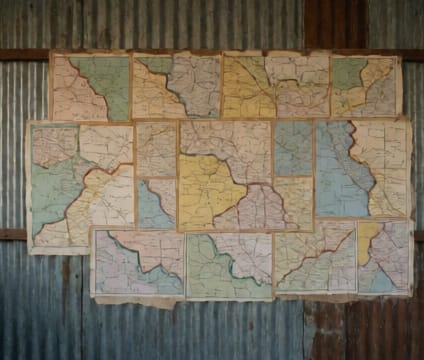
For researchers comparing subpopulations across time, it is critical to align geography definitions, as boundaries often change. The Census Bureau provides geographic relationship files to assist. Also, certain small areas—like census tracts in sparsely populated counties—may have limited data availability due to confidentiality or reliability thresholds, requiring use of multiyear ACS estimates instead of single-year data.