 dailybriefing.com
Grid modernization challenges in Midwest states
Aging infrastructure, extreme weather events, and evolving energy sources are complicating efforts to upgrade the Midwest transmission system.
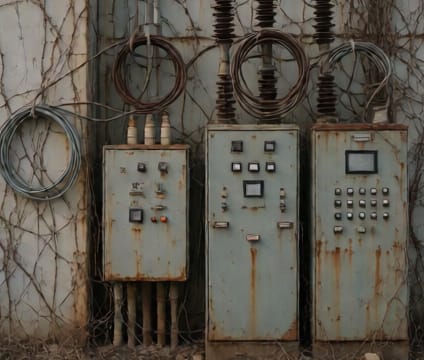
The Midwest transmission network relies heavily on legacy equipment installed decades ago, making it vulnerable to failures during temperature extremes. Upgrading substations and replacing old transformers requires lengthy permitting and coordination across multiple utility jurisdictions, slowing progress significantly.
Integrating new wind and solar resources demands enhanced grid flexibility and new control systems. Many existing lines lack the capacity to move power efficiently from remote generation sites to population centers, especially during peak demand periods.
State regulators and utilities differ on priorities, causing delays in coordinated investment decisions. Some regions prioritize reliability improvements while others push faster decarbonization, creating tension in planning timelines and cost allocations.
Consumer concerns about rate increases from infrastructure upgrades have intensified, prompting more public hearings and legislative scrutiny. Utilities must balance modernization needs with affordability, often resulting in phased implementation plans.
Key takeaways
- Aging transmission infrastructure struggles with extreme weather and integration of renewables.
- Regulatory fragmentation slows coordinated investment across utility service territories.
- Ratepayer concerns complicate funding for essential grid upgrades.
- Modernization requires new technologies and greater system flexibility.
More in Deep Dive
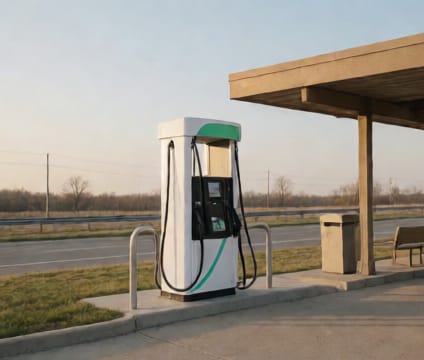
Hydrogen pilot projects gain regulatory traction
States and federal agencies are developing frameworks to support hydrogen pilots while ensuring safety, sustainability, and fair
Read more →
Workforce retraining programs scale after layoffs
Communities hit by plant closures are expanding retraining efforts to help displaced workers transition to new roles in growing
Read more →