 dailybriefing.com
Hydrogen pilot projects gain regulatory traction
States and federal agencies are developing frameworks to support hydrogen pilots while ensuring safety, sustainability, and fair market access.
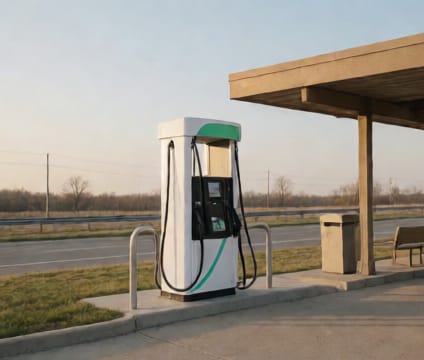
Regulatory bodies are beginning to define how hydrogen produced from different sources—such as natural gas with carbon capture or renewable electricity—should be classified and counted for clean energy goals. Clarity on definitions helps prevent greenwashing and encourages investment in low-carbon pathways.
Safety standards for storage and transport are being harmonized across state lines, which previously led to inconsistent requirements. A unified approach reduces uncertainty for developers and accelerates project permitting.
Utility commissions are exploring how to incorporate hydrogen into existing energy planning processes, including whether to allow recovery of infrastructure costs. This integration supports long-term reliability and decarbonization targets.
Several pilot sites are testing hydrogen blending in natural gas pipelines and its use in heavy industry. Regulators monitor these trials closely to assess real-world performance and inform future rules.
Key takeaways
- Standardized definitions for clean hydrogen help align policy and investment.
- Safety regulations are becoming more consistent across state jurisdictions.
- Hydrogen is being integrated into utility resource planning and cost recovery.
- Pilot projects test practical applications in industry and pipeline blending.
More in Deep Dive

Grid modernization challenges in Midwest states
Aging infrastructure, extreme weather events, and evolving energy sources are complicating efforts to upgrade the Midwest
Read more →
Workforce retraining programs scale after layoffs
Communities hit by plant closures are expanding retraining efforts to help displaced workers transition to new roles in growing
Read more →