 mumbaimart.com
Saree Streets of Camas
A tightly woven corridor of silk weavers, dyers, and small retailers where centuries of craft know-how still animate daily trade.
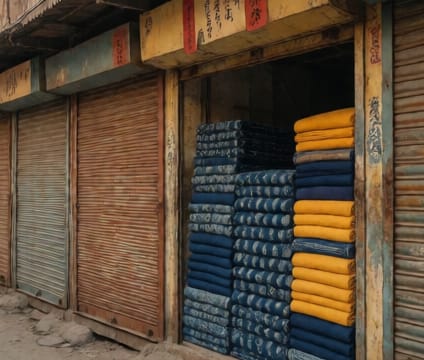
Camas Street lies in the heart of South Mumbai’s textile district, where rows of shops display vivid silks and fine cottons. The area thrives on interdependent roles: dyers prepare hues using natural and synthetic pigments, weavers operate handlooms in tiny workshops behind storefronts, and retailers build trust through long-term relationships with loyal customers. Most shops have operated for decades, often within families, adapting slowly to changing tastes while preserving signature techniques like bandhani and gota work.
Visitors moving along the street will notice how patterns and fabrics change in rhythm with the season—marriage season brings heavy Kanjivarams, monsoon sees demand for easier-dry synthetics, and festive months overflow with gold-threaded banarasis. The pace is brisk but not rushed; conversations between buyer and seller often linger over the quality of thread or the drape of a pallu. There are no signs advertising 'discounts' or 'fancy packaging'—trust and tactile inspection drive every exchange.
Camas remains a place where mistakes are rare because quality is monitored by generations of eyes and fingers. Newcomers often start as apprentices in the back rooms, learning how to read tension in the warp, how to mix a perfect indigo bath, or how to fold silk without creasing. The street’s strength lies in this continuity—where one family’s dye recipe or weaving rhythm may hold secrets passed from hand to hand, unwritten yet deeply precise.