Post your ad
Home › Sights

Top sights in Mumbai

The places most worth your time in and around Mumbai, and where to find them.

On the map

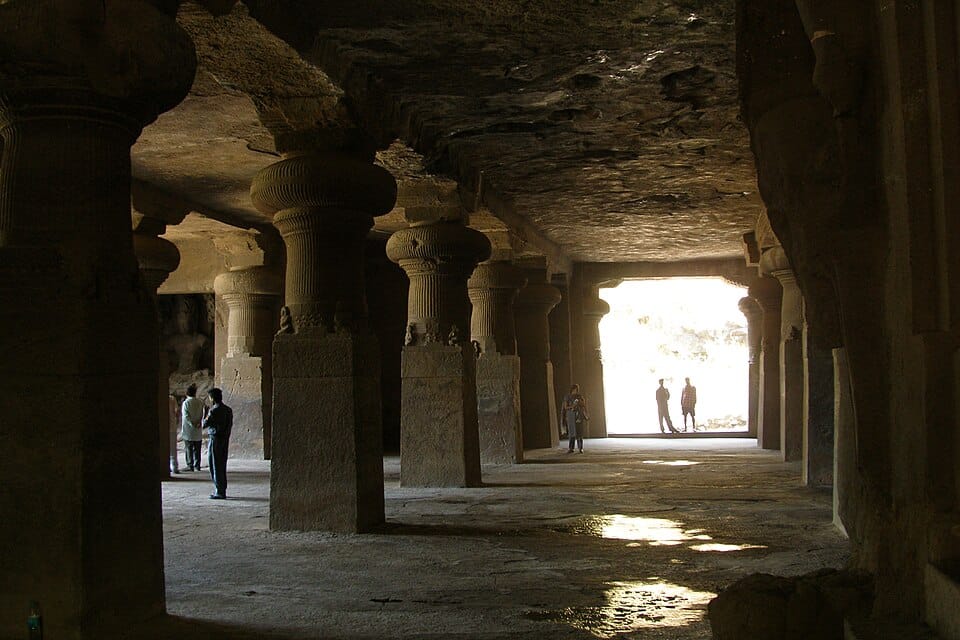
Elephanta Caves
Elephanta Caves
Photo: Vyacheslav Argenberg · CC BY 4.0

Elephanta Caves

13.7 km from the centre

The Elephanta Caves form a collection of cave temples predominantly dedicated to the Hindu god Shiva; UNESCO has designated them as a World Heritage Site. They are located on Elephanta Island, or Gharapuri (literally meaning "the city of the caves"), in Mumbai Harbour, 10 kilometres (6.2 mi) east of Mumbai in the Indian state of Maharashtra. The island, about 2 kilometres (1.2 mi) west of the Jawaharlal Nehru Port, features five Hindu caves, a few Buddhist stupa mounds that date back to the 2nd century BCE, and two Buddhist caves with water tanks.

More on Wikipedia →
Chhatrapati Shivaji Terminus
Photo: Rangan Datta Wiki · CC BY-SA 4.0

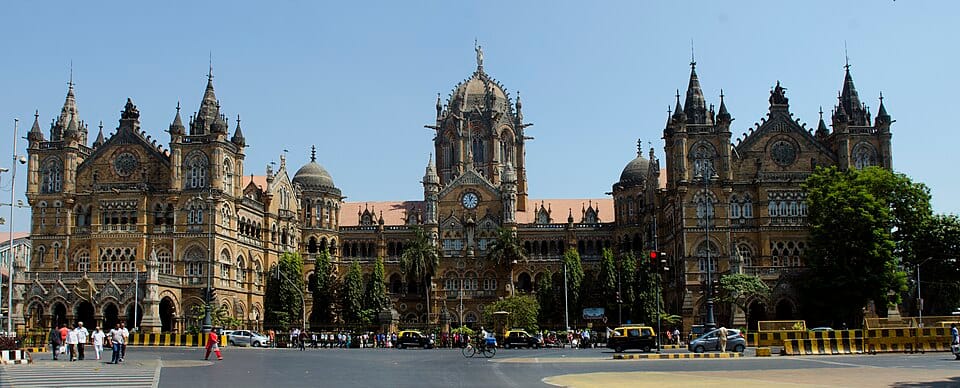
Chhatrapati Shivaji Terminus

15.8 km from the centre

Chhatrapati Shivaji Terminus (CST), officially Chhatrapati Shivaji Maharaj Terminus (CSMT), and also known as Victoria Terminus (VT), its official name until 1996, is a historic railway terminus and UNESCO World Heritage Site in Mumbai (Bombay), Maharashtra, India. The terminus was designed by a British architectural engineer Frederick William Stevens from an initial design by Axel Haig, in an exuberant Indo Gothic style. Its construction began in 1878, in a location south of the old Bori Bunder railway station, and was completed in 1887, the year of Queen Victoria's Golden Jubilee.

More on Wikipedia →
Gateway of India
Gateway of India
Photo: Andy Hay · CC BY 2.0

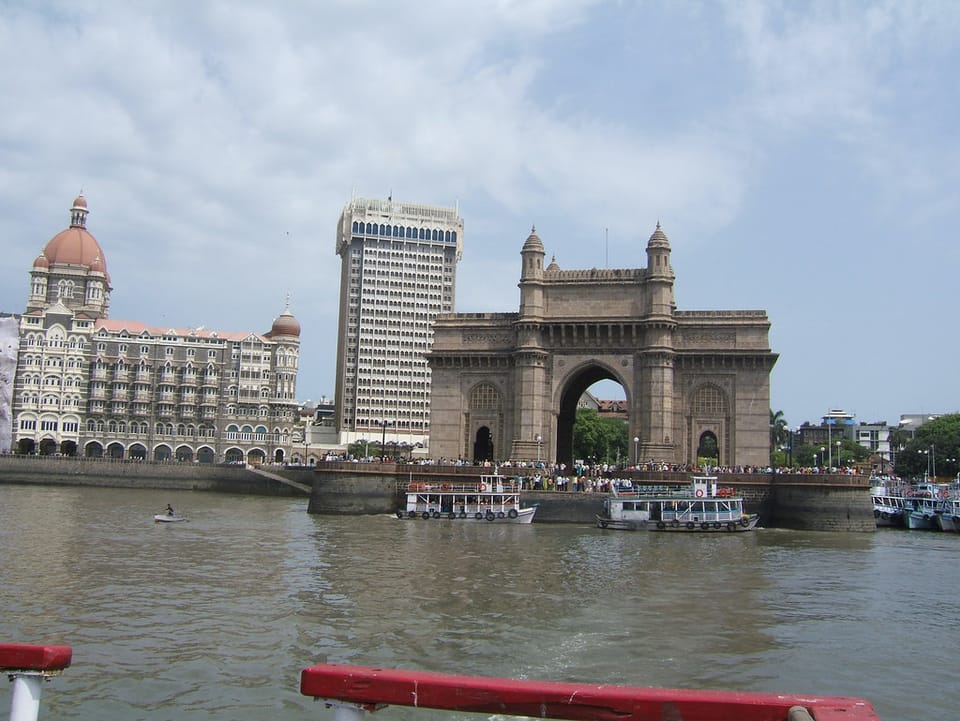
Gateway of India

17.7 km from the centre

The Gateway of India is an arch-monument, completed in 1924, on the waterfront of Mumbai, Maharashtra, India. It was erected to commemorate the landing of King George V of the United Kingdom for his coronation as the Emperor of India in December 1911 at Strand Road near Wellington Fountain. He was the first British monarch to visit India.

More on Wikipedia →
Kanheri Caves
Kanheri Caves
Photo: सुबोध कुलकर्णी · CC BY-SA 4.0

Kanheri Caves

15 km from the centre

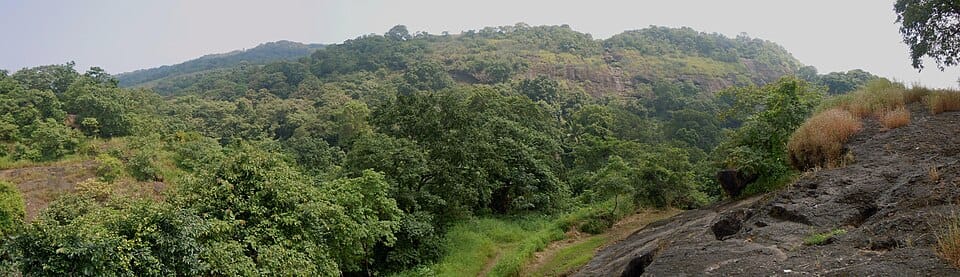
The Kanheri Caves (Kānherī-guhā [kaːnʱeɾiː ɡuɦaː]) are a group of caves and rock-cut monuments, cut into a massive basalt outcrop in the forests of the Sanjay Gandhi National Park, on the island of Salsette in the western outskirts of Mumbai, India. They contain Buddhist sculptures and relief carvings, paintings and inscriptions, dating from the 1st century CE to the 10th century CE. Kanheri comes from the Sanskrit Krishnagiri, which means "black mountain". The site is on a hillside, and is accessible via rock-cut steps.

More on Wikipedia →
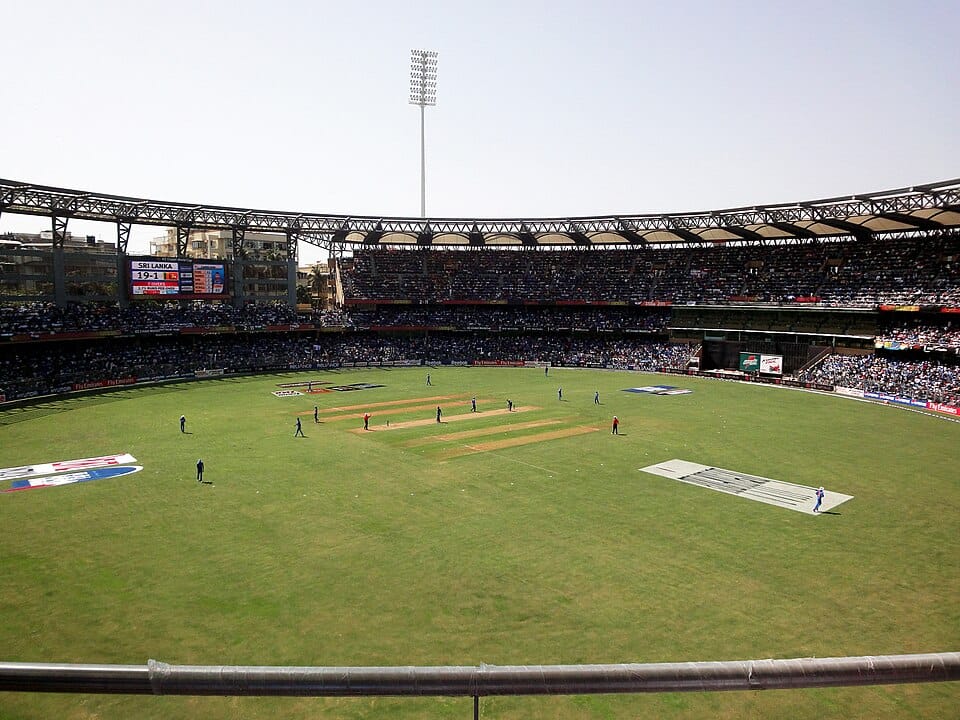
Wankhede Stadium
Wankhede Stadium
Photo: G patkar · CC BY-SA 3.0

Wankhede Stadium

16.2 km from the centre

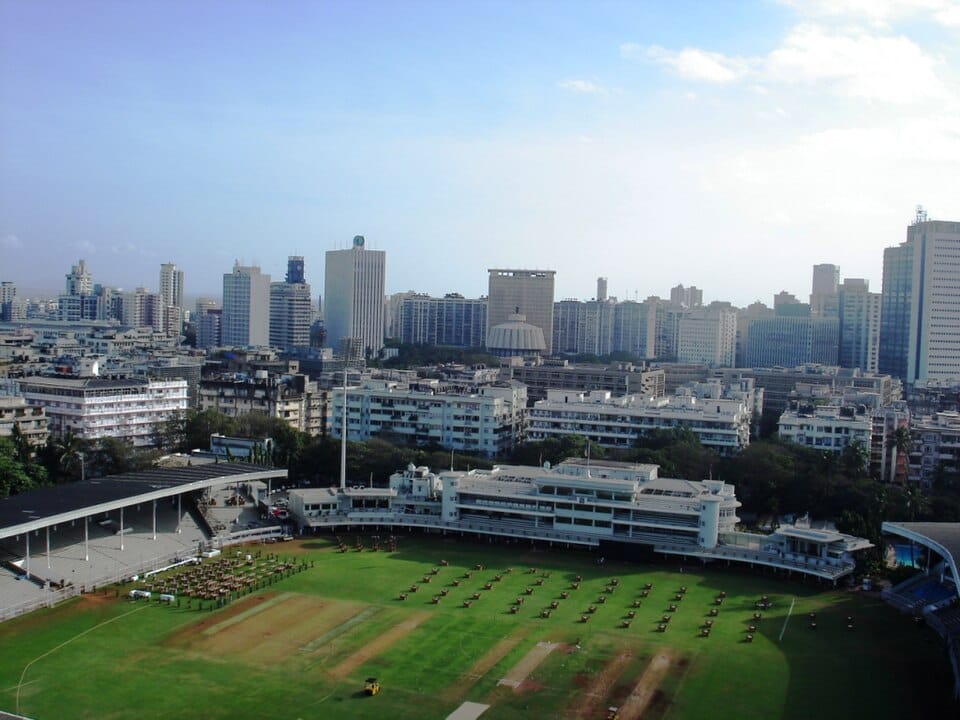
Wankhede Stadium (pronounced [ʋaːnkʰeɖe]) is an international cricket stadium in Mumbai, India. It is owned and operated by the Mumbai Cricket Association and is the home ground of the Mumbai Indians. It houses the headquarters of the Board of Control for Cricket in India, the MCA and the Indian Premier League.It is named after by former BCCI President S. K. Wankhede The stadium is situated near Marine Drive in the Churchgate neighbourhood.

More on Wikipedia →
Juhu
Juhu
Photo: Ranga27 (talk) · CC BY-SA 3.0

Juhu

5.7 km from the centre

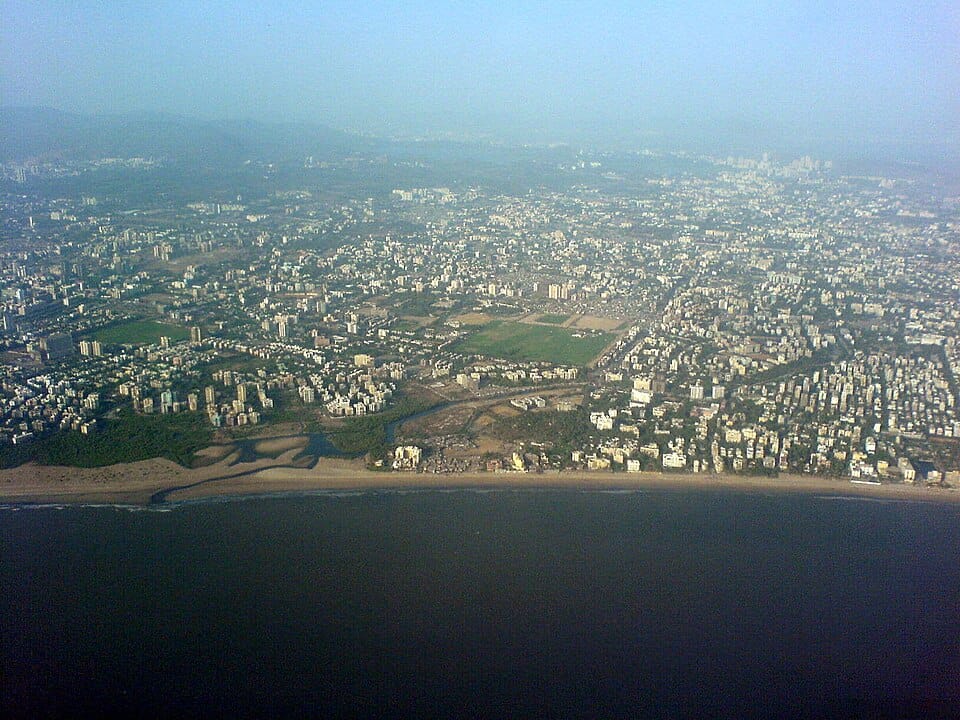
Juhu (pronunciation: [d͡ʒuɦuː]) is a coastal suburb in the Mumbai Suburban district, located on the western coast of Salsette Island. It is known for its sprawling Juhu Beach. It is surrounded by the Arabian Sea to the west, Versova to the north, Vile Parle to the east, and Santacruz to the south.

More on Wikipedia →
Fort Vasai
Fort Vasai
Photo: Himanshu Sarpotdar · CC BY 2.0

Fort Vasai

29 km from the centre

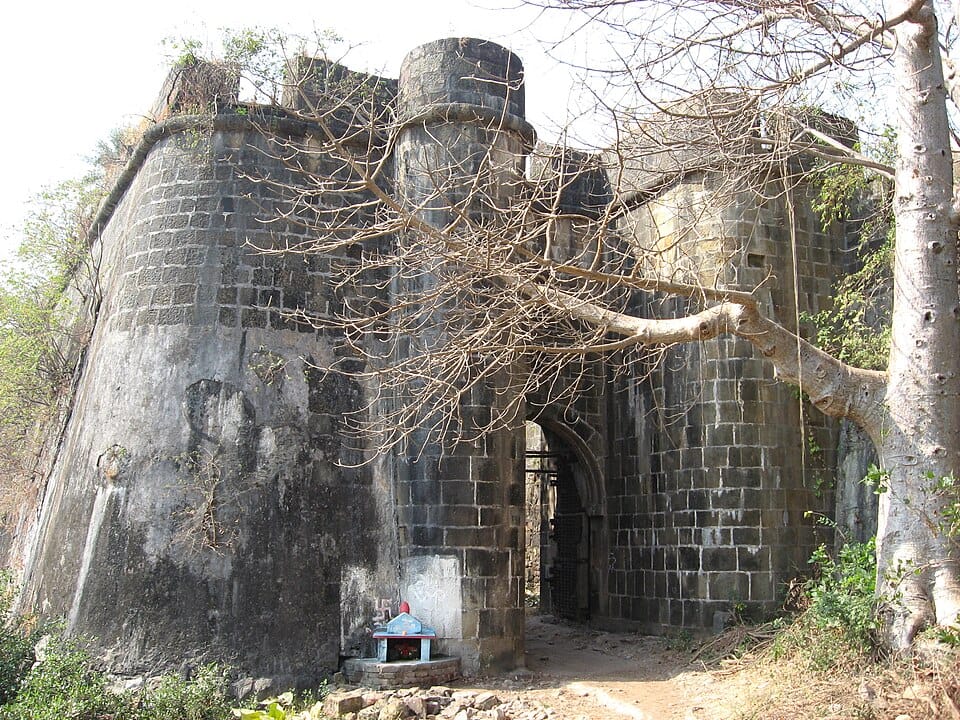
Fort Vasai (Vasai killa in Marathi, Fort Vasai or Fort Bassein in English) is a ruined fort in the city of Vasai (Bassein), Konkan Division, Maharashtra, India. The structure was formally christened as Fortaleza de San Sebastião (Fort of St Sebastian) in the Indo-Portuguese era & was the second-most important centre after Velha Goa, in Portuguese India until 1739 AD. The fort is a monument of national importance and is protected by the Archaeological Survey of India. The fort and the town are accessible via the Vasai Railway Station which itself is in the city of Vasai-Virar, and lies to the immediate north of the city of Mumbai (Bombay).

More on Wikipedia →
Bombay High Court
Bombay High Court
Photo: Michael Siegel AKA michaelj-siegel · CC BY-SA 2.0

Bombay High Court

16.8 km from the centre

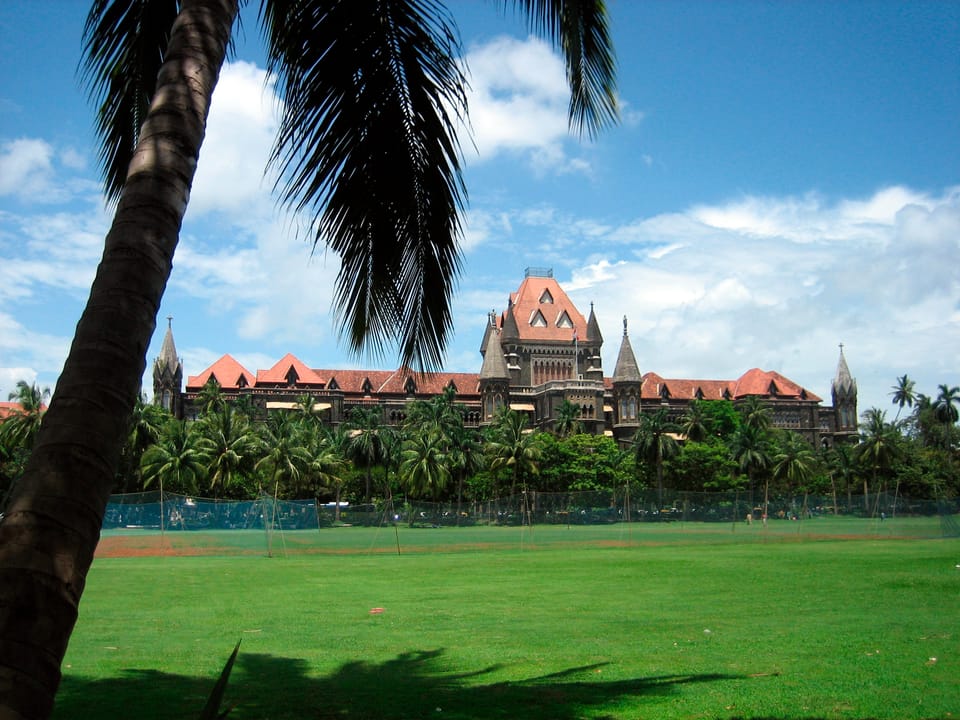
The Bombay High Court is the high court of the states of Maharashtra and Goa in India, and the union territory of Dadra and Nagar Haveli and Daman and Diu. It is seated primarily at Mumbai, also known as Bombay, and is one of the oldest high courts in India. The High Court has circuit benches at Nagpur, Aurangabad and Kolhapur in Maharashtra and at Porvorim in Goa.

More on Wikipedia →
Crawford Market
Crawford Market
Photo: Unknown · Public domain

Crawford Market

15 km from the centre

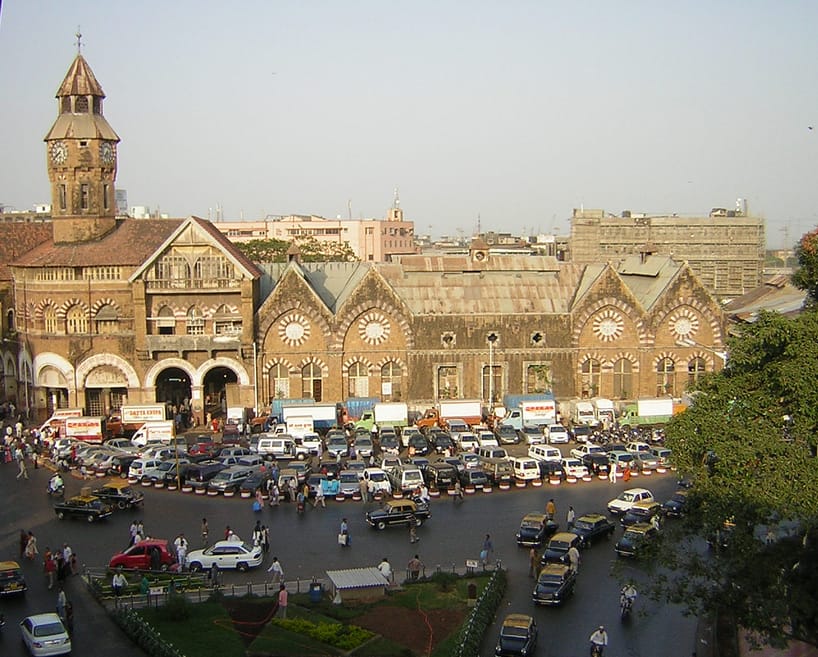
Crawford Market (officially the Mahatma Jyotiba Phule Mandai) is one of South Mumbai's most famous markets. The building was completed in 1869, and donated to the city by Cowasji Jehangir. Originally named after Arthur Crawford, the first Municipal Commissioner of the city, the market was later renamed to honour the Indian social reformer Mahatma Jotirao Phule.

More on Wikipedia →
Bombay Gymkhana
Bombay Gymkhana
Photo: Nichalp · CC BY-SA 3.0

Bombay Gymkhana

16.1 km from the centre

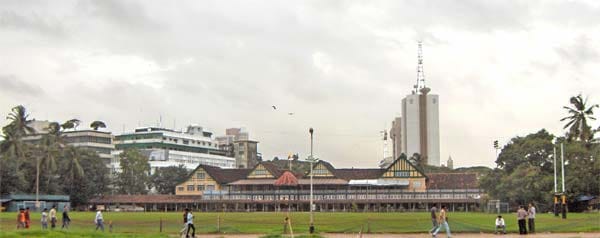
The Bombay Gymkhana, established in 1875, is a premier private members' club in the city of Mumbai, India. It is located at the triangular end of Azad Maidan in the Fort area of South Mumbai and is in close proximity of Chhatrapati Shivaji Maharaj Terminus. It was originally built as a British-only gentlemen's club, designed by English architect, Claude Batley.

More on Wikipedia →
Bombay Castle
★

Bombay Castle

16.5 km from the centre

Bombay Castle (also Casa da Orta) is one of the oldest defensive structures built in the city of Mumbai (also known as Bombay). The current castle is a structure built by the British on the site of the Manor House built by a Portuguese nobleman Garcia de Orta. Orta had leased the island of Bombay from the King of Portugal between 1554 and 1570.

More on Wikipedia →