 dailybriefing.com
EU Carbon Border Tax Applied
The EU's Carbon Border Adjustment Mechanism formally takes effect, requiring importers to report and pay for embedded emissions in certain goods.
The new mechanism targets imports of carbon-intensive goods like steel, aluminum, cement, electricity, and fertilizers. Importers must submit detailed emissions data per shipment, aligning with EU production standards. This marks a shift from voluntary reporting to mandatory compliance tied to market access.
The tax operates on a sliding scale: products meeting lower-emission benchmarks face reduced or no charges, while those exceeding thresholds trigger fees proportional to the emissions gap. The aim is to prevent carbon leakage—where companies relocate production to avoid strict climate rules—while incentivizing global decarbonization.
Non-EU exporters must adapt quickly, often by revising supply chains or investing in cleaner processes. Early adopters report tighter collaboration with suppliers and increased internal emissions tracking. Delays or inaccuracies risk penalties or shipment rejections at border checkpoints.
The policy signals the EU's intent to shape global standards unilaterally while avoiding WTO challenges through equivalence frameworks. As Phase 2 approaches, coverage will expand to more sectors, including downstream items like bicycles and vehicles. Businesses across the supply chain now face upstream scrutiny.
Key takeaways
- Mandatory emissions reporting for high-carbon imports
- Fees tied to emissions gap vs. EU benchmarks
- Incentivizes cross-border supply chain upgrades
More in Global Lens
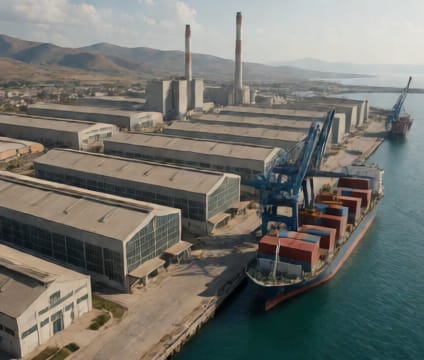
Southeast Asia FDI Flows Rise
Investment into Southeast Asia increased as companies diversify supply chains and tap growing consumer demand across the region.
Read more →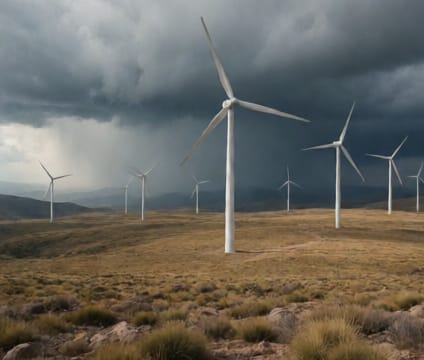
LatAm Energy Reform Moves Forward
Several Latin American countries advanced energy policy overhauls aimed at balancing investment, affordability
Read more →