 dailybriefing.com
LatAm Energy Reform Moves Forward
Several Latin American countries advanced energy policy overhauls aimed at balancing investment, affordability, and decarbonization goals.
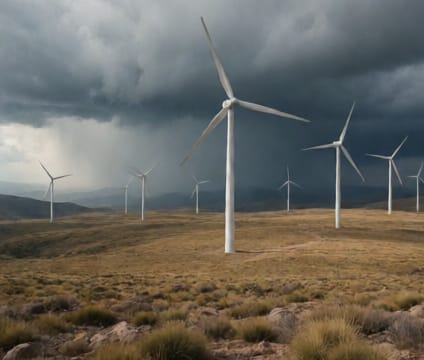
Reforms in power markets emphasized grid modernization and long-term contracts to attract capital for transmission upgrades and generation capacity. Regulators revised auction rules to include viability bonuses and risk-sharing mechanisms, improving bankability for new projects.
Countries adjusted regulatory frameworks to integrate distributed generation and storage more systematically. Rules now accommodate behind-the-meter systems, microgrids, and community-scale installations, supporting energy access in remote areas while expanding service reliability.
Policy alignment across energy and climate agencies created clearer pathways for green hydrogen and carbon capture pilot programs. Transparency in licensing rounds and environmental approvals reduced uncertainty, encouraging early-stage capital allocation toward low-carbon technologies.
Reforms targeted both supply-side bottlenecks and demand-side management, with dynamic pricing pilots and demand response incentives. Stakeholders welcomed unified standards for interconnection and metering, which ease coordination across borders and reduce systemic inefficiencies.
Key takeaways
- Reforms improve bankability of clean energy projects
- Rules now support distributed generation and storage
- Clearer licensing and environmental pathways
More in Global Lens
EU Carbon Border Tax Applied
The EU's Carbon Border Adjustment Mechanism formally takes effect, requiring importers to report and pay for embedded emissions
Read more →
Southeast Asia FDI Flows Rise
Investment into Southeast Asia increased as companies diversify supply chains and tap growing consumer demand across the region.
Read more →