 dailybriefing.com
Southeast Asia FDI Flows Rise
Investment into Southeast Asia increased as companies diversify supply chains and tap growing consumer demand across the region.
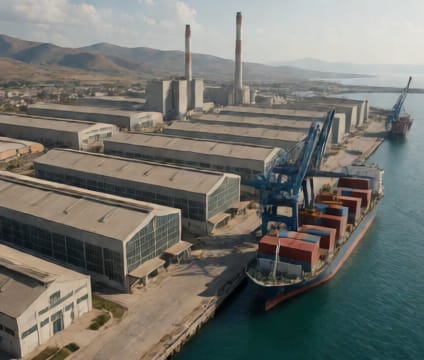
FDI inflows picked up across major ASEAN economies, led by manufacturing, electronics, and renewable infrastructure projects. Countries offered tailored incentives—land access, tax holidays, skills training—to lure strategic investors seeking geographic flexibility and cost advantages.
China-related friction pushed multinationals to expand partnerships in Vietnam, Thailand, and Malaysia, where regulatory frameworks matured and logistics networks improved. New industrial parks and special economic zones facilitated rapid scaling and reduced time-to-market for export-oriented operations.
Digital economy investments rose alongside physical infrastructure, with data centers, fintech hubs, and logistics platforms drawing attention. Governments revised foreign ownership rules and streamlined licensing, making joint ventures more viable and reducing administrative friction.
Regional trade pacts deepened integration, enabling seamless movement of components across borders. Export processing zones evolved into full-value ecosystems. Investors now view the region not as a single low-cost option, but as a network of complementary capabilities.
Key takeaways
- Stronger FDI driven by supply chain diversification
- Incentives and policy reforms improved investor appeal
- Digital infrastructure attracted rising capital flows
More in Global Lens

EU Carbon Border Tax Applied
The EU's Carbon Border Adjustment Mechanism formally takes effect, requiring importers to report and pay for embedded emissions
Read more →
LatAm Energy Reform Moves Forward
Several Latin American countries advanced energy policy overhauls aimed at balancing investment, affordability
Read more →